Reducing Environmental Impact
Climate Change Measures
Social Context
Torrential rains, tropical cyclones, droughts and other severe weather occurring around the world have heightened concerns over climate change.
The Paris Agreement and other agreements require companies to reduce greenhouse gases (GHGs) and adapt to climate change from short-, medium-, and long-term perspectives, and there is a need for a corporate structure that can simultaneously grow while adopting a sustainable business model and taking climate change into account.
Japan has also issued a declaration for carbon neutrality by 2050, showing moves toward decarbonization.
Risk management for climate change is critical because natural disasters and stronger regulations may present potential impacts on business continuity and supply chains.
To fulfill their environmental responsibilities, companies need to reduce GHG emissions, improve energy efficiency and introduce renewable energy sources.
Adoption of renewable energy
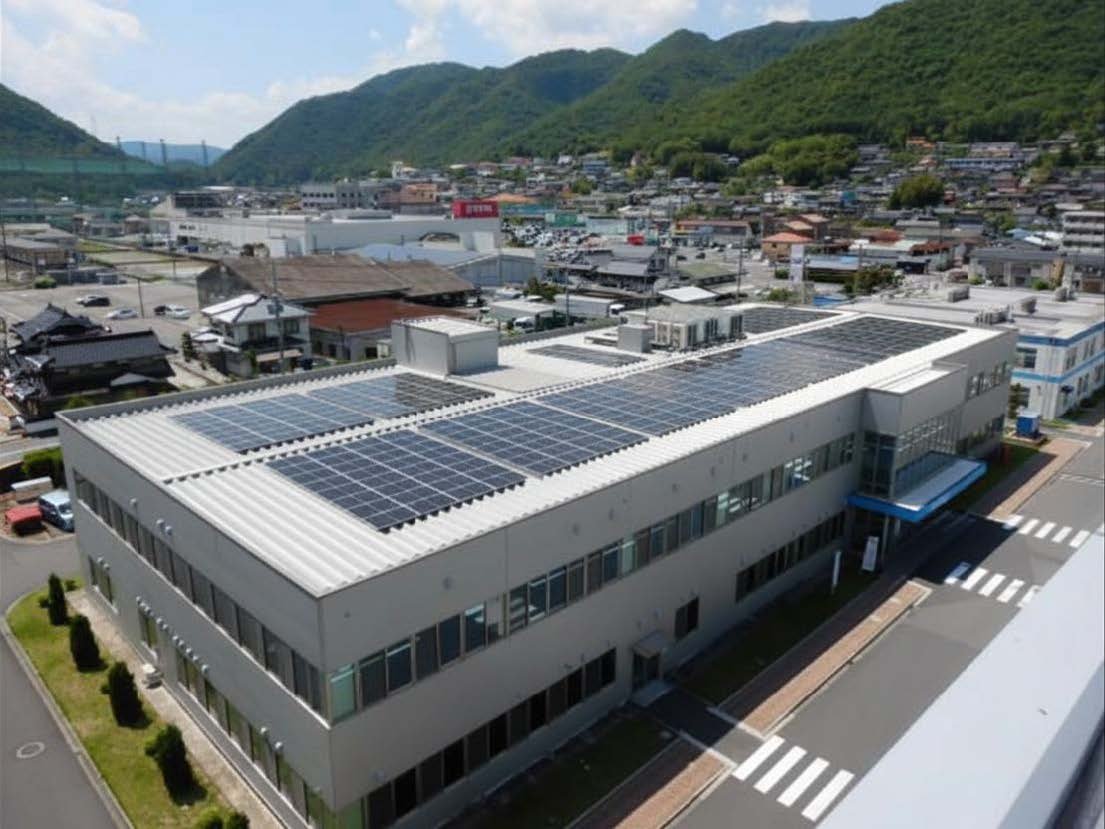
We are working to adopt sustainable energy sources and have installed solar power generation systems as a means of mitigating global warming. In addition, we have signed an electricity agreement with less CO2 emissions with an electric utility company, resulting in a significant reduction in energy consumption per unit. We will continue to promote the utilization of the latest technology and more effective initiatives to contribute to a better global environment.
Water Resource Conservation
Social Context
Sustainable water resource management is an essential undertaking in today’s society, which faces intensifying water scarcity and water stress due to industrial development, population growth and the effects of climate change.
Urban areas require extensive water supply and purification infrastructure, as well as proper water management.
Climate change is also having a major impact on precipitation patterns and water circulation, leading to serious problems and even health issues in some regions and developing countries from water stress and water poverty.
Addressing these water risks and ensuring a sustainable use of water resources will become increasingly important issues in corporate activities.
Reusing treated wastewater (Mexico)
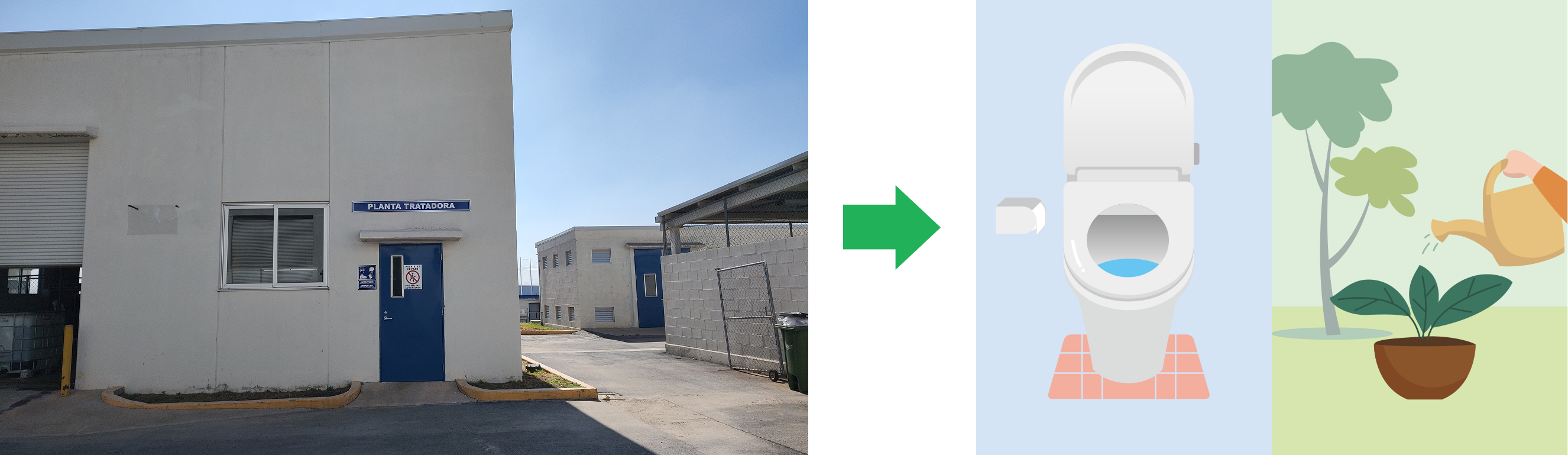
We are reducing water use by efficiently harnessing water used in processes. We are also taking actions to reuse water purified by wastewater treatment for toilets and irrigating green areas.
Water reuse for irrigating green spaces began in September 2021, and reuse for toilets began in June 2022, resulting in the reuse of approximately 4,200 m³ of water. We plan to expand this project to other toilets to increase the amount of water reused.
Industrial Waste Reduction/Recycling
Social Context
While the conventional economic system supported by a mass consumption society benefits us, it wastes finite resources and places a serious burden on the global environment.
Today, in order to protect our limited resources and achieve a sustainable society, we need to create a circular economy that aims for efficient resource recycling and reduced environmental impact.
Companies are also expected to work on recycling and waste reduction throughout the entire product life cycle in pursuit of true sustainable affluence.
Promoting the reuse of lapping oil (Japan)
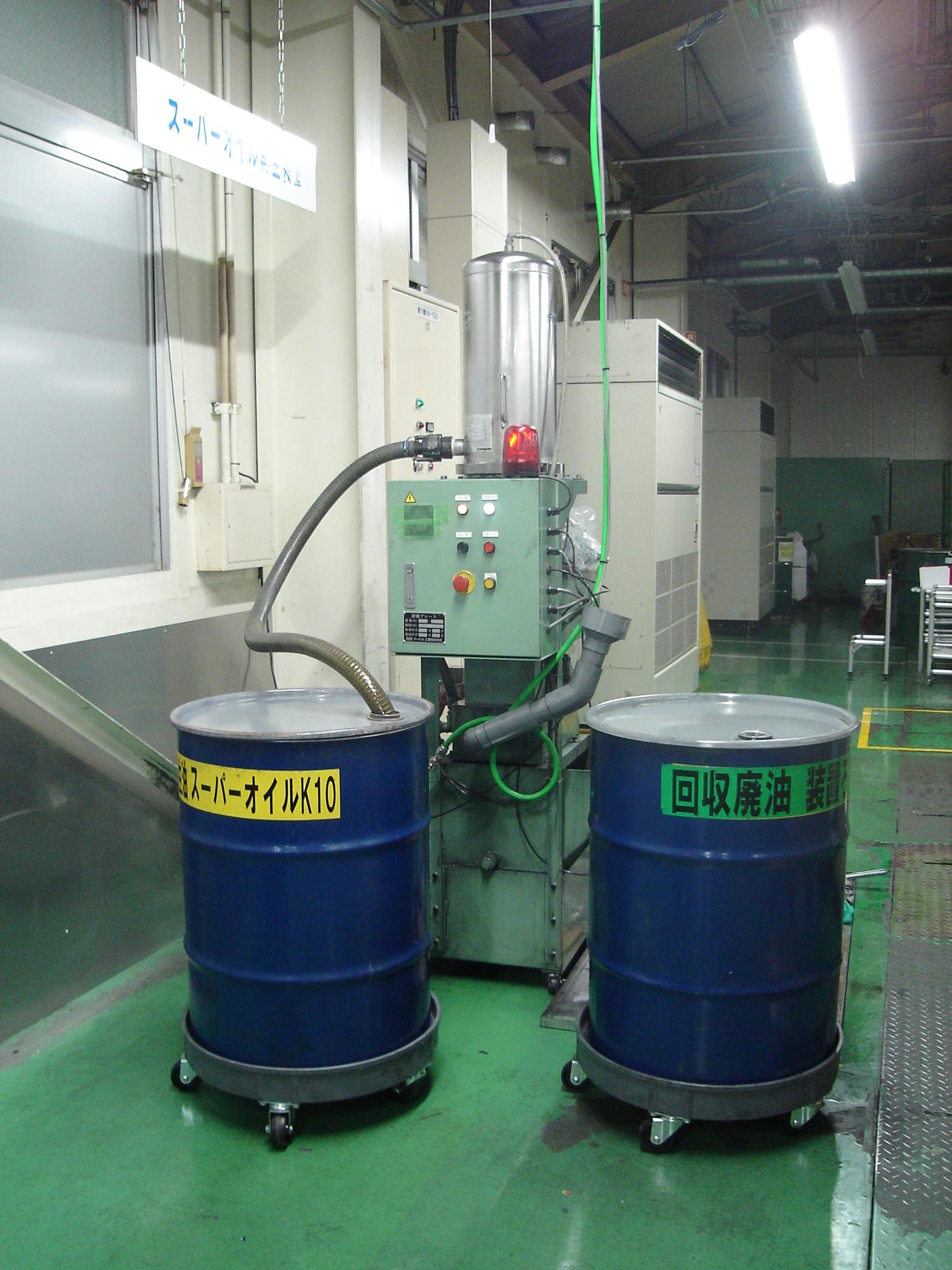
The lapping (polishing) process for floating seals uses large quantities of lapping oil (machining oil). Previously, the used fluid was allowed to settle, and only the supernatant liquid was reused. To address this, the Company has introduced a high-precision filtration system.
This has enhanced the impurity removal capability, thereby significantly boosting the recycling rate of lapping oil from approximately 50% to about 70%.
Recycling of packaging materials (Japan)
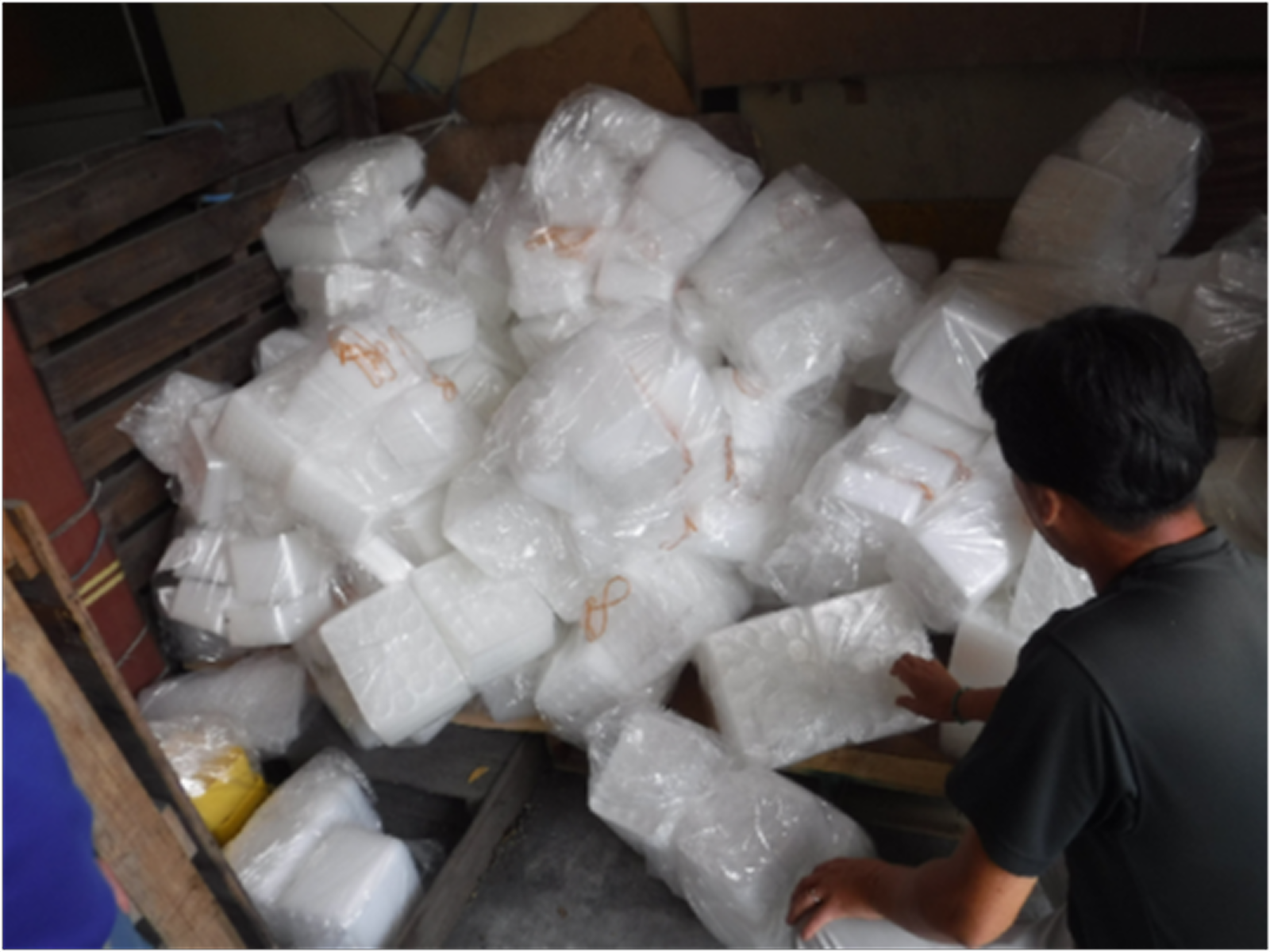
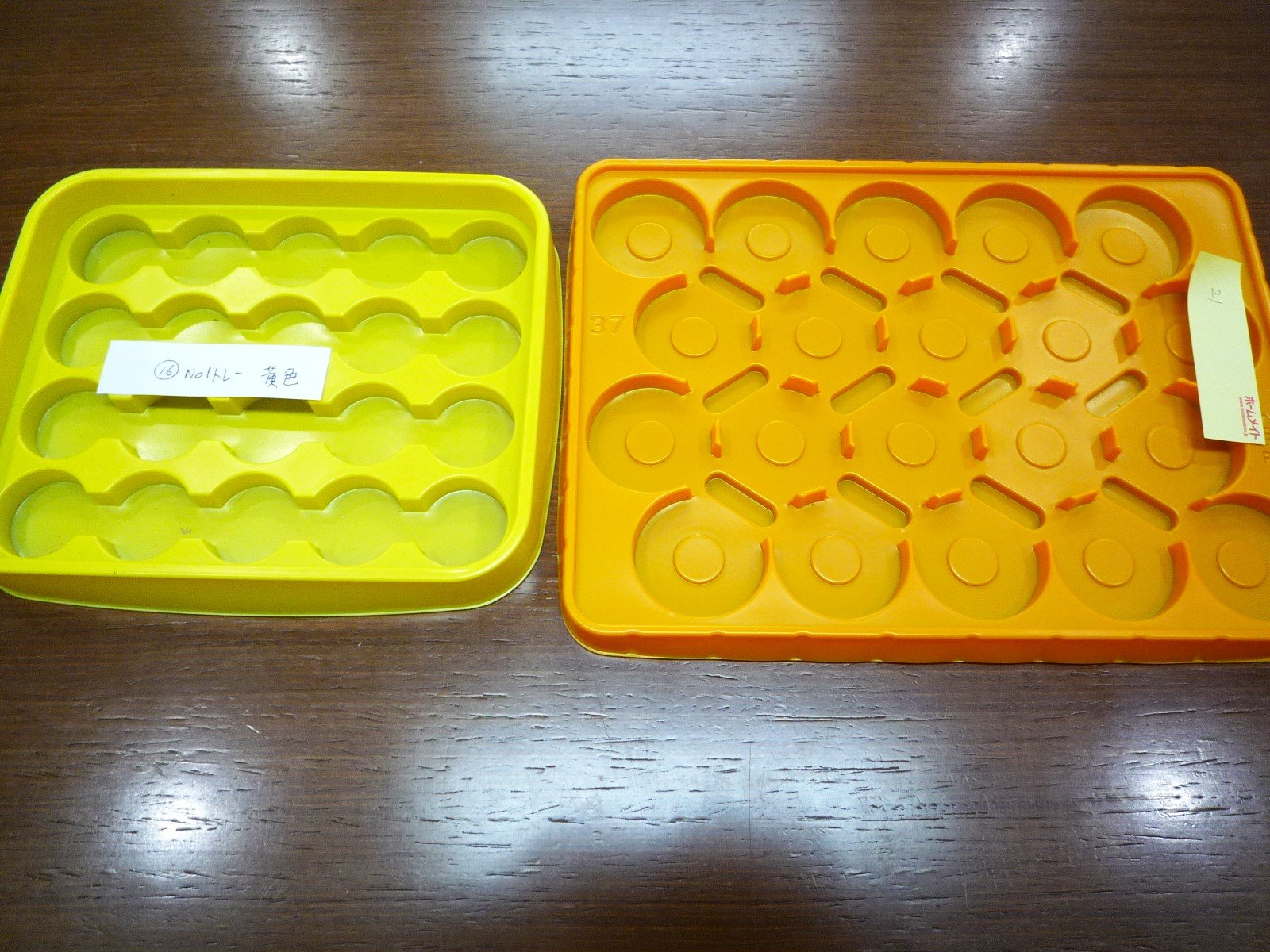
In cooperation with a local contractor, packaging materials in good condition are now sorted and recycled as recyclable resources.
Previously, approximately 6 tons of waste plastic (industrial waste) was generated per month and disposed of in landfills after incineration. Now, however, approximately 2 tons of the waste plastic generated can be recycled.
Reducing the volume of waste disposed in landfills also contributes to suppressing the generation of microplastics resulting from the decomposition and degradation of plastics, thereby helping reduce the impacts on soil and ater environments.
Management of Chemical Substances
Social Context
While chemical substances bring convenience to our daily lives and business activities, they also pose risks to human health and ecosystems.
In recent years, amid the strengthening of international regulations such as the RoHS Directive, REACH Regulation, and POPs Convention, companies are required to manage chemical substances throughout the product lifecycle from procurement to disposal.
Environmental risk management of chemical substances
In conducting risk assessments of existing chemical substances and implementing changes thereto, we also check information on aquatic environmental hazards and ozone layer hazards under GHS classifications, as well as international chemical substance regulations such as the REACH Regulation and POPs Convention.
Based on these findings, we determine whether changes can be implemented and consider measures to mitigate environmental impact.
Reduction of VOC emissions (Japan)
Volatile organic compounds (VOCs) generated from organic solvents used in cleaning processes can cause air pollution and adverse health effects.
We recover waste liquid at our cleaning facilities, curbing the release of waste liquids containing VOCs into the atmosphere. Going forward, we will expand the types of VOCs to be monitored and work to establish a framework for tracking emissions on a broader scale.
Environmental Management Regime
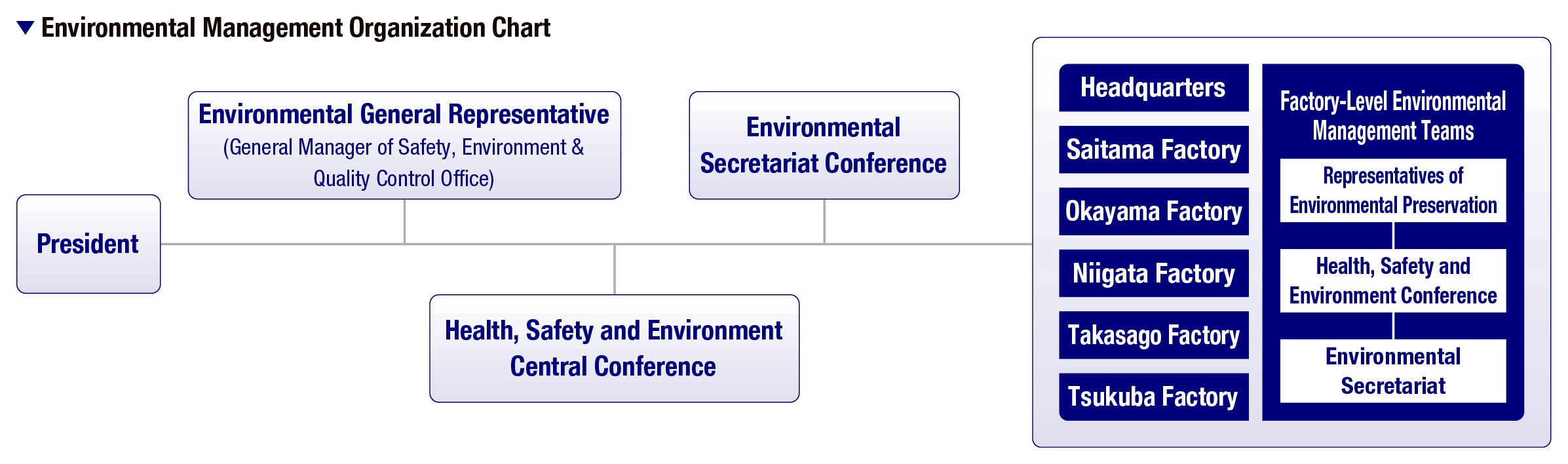
The EKK Group works to improve our environmental performance and establish corresponding company policies, objectives and targets from short-, medium-, and long-term perspectives.
To this end, the Health, Safety and Environment Central Conference, chaired by the president, meets twice annually to conduct management reviews of environmental preservation activities.
Furthermore, the Sustainability Committee reviews and discusses overview reports on these activities, and annual plans and results are reported to the Board of Directors accordingly.
Initiatives with Suppliers
We work in collaboration with our suppliers to reduce the environmental impact across our entire supply chain.
In addition to sharing the environmental policy of the Company through the EKK Green Procurement Guidelines, we also provide assistance in raising the environmental awareness of our suppliers.
When commencing transactions with potential new suppliers or continuing transactions with existing suppliers, we request and confirm suppliers’ responses to reducing environmental impact from the perspectives of legal compliance, GHG emissions reduction, resource use, waste management, water resource protection, and pollution prevention, among others.
In the event of failure to meet Company requirements or environmental issues are identified, we conduct additional checks and request corrective action as necessary.
Regarding climate change measures in particular, we have established a system for sequentially collecting and monitoring CO2 emission data from major suppliers by transaction volume. Going forward, we will expand this framework to the areas of water resource protection, various types of pollution prevention, and resource recycling, and progressively strengthen collaboration with suppliers.
Risk Management
Based on the ISO 14001 environmental management system, the EKK Group identifies risks and opportunities related to overall environmental issues including climate change, at least once a year.
More specifically, the Group analyzes the external and internal challenges it faces, organizes the needs and expectations of stakeholders including laws and regulations, and identifies material risks and opportunities from a wide range of areas including climate change, water resources, biodiversity, and resource recycling.
In doing so, the Group conducts evaluations from multiple perspectives also taking into account technological trends, financial impacts, and business requirements.
The identified risks and opportunities are reflected in specific measures such as CO2 emission targets through deliberations at the Health, Safety and Environment Central Conference, and the progress of the measures is confirmed twice annually at the same conference, thereby forming a framework for minimizing risks and maximizing opportunities.
Furthermore, by reporting the details of these deliberations to the Board of Directors through the Sustainability Committee, the Group ensures the company-wide sharing of activity status and enables appropriate oversight by the Board of Directors.
Compliance with Environmental Laws and Regulations
The EKK Group annually identifies environmental laws and regulations that pertain to its operations and verifies its compliance with them semiannually.
In FY2025, there were no environmental accidents constituting non-compliance with environmental laws and regulations, and no guidance, fines, or administrative surcharges were assessed by regulatory authorities.
The Group has also established emergency response procedures to prevent environmental contamination in the event of an environmental accident or disaster. Its production factories have emergency arrangements in place and periodically reconfirm and verify their procedures’ effectiveness by conducting emergency tests.